Read More
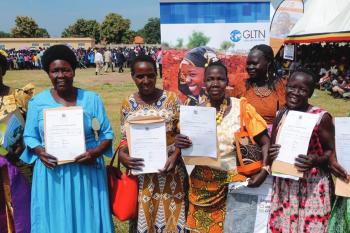
Gender Strategy for Land-at-Scale Uganda
Women’s Land Rights (WLRs) are fundamental human rights, foundational to gender equality and women’s dignity and instrumental in improving food security, effective climate action, poverty eradicati
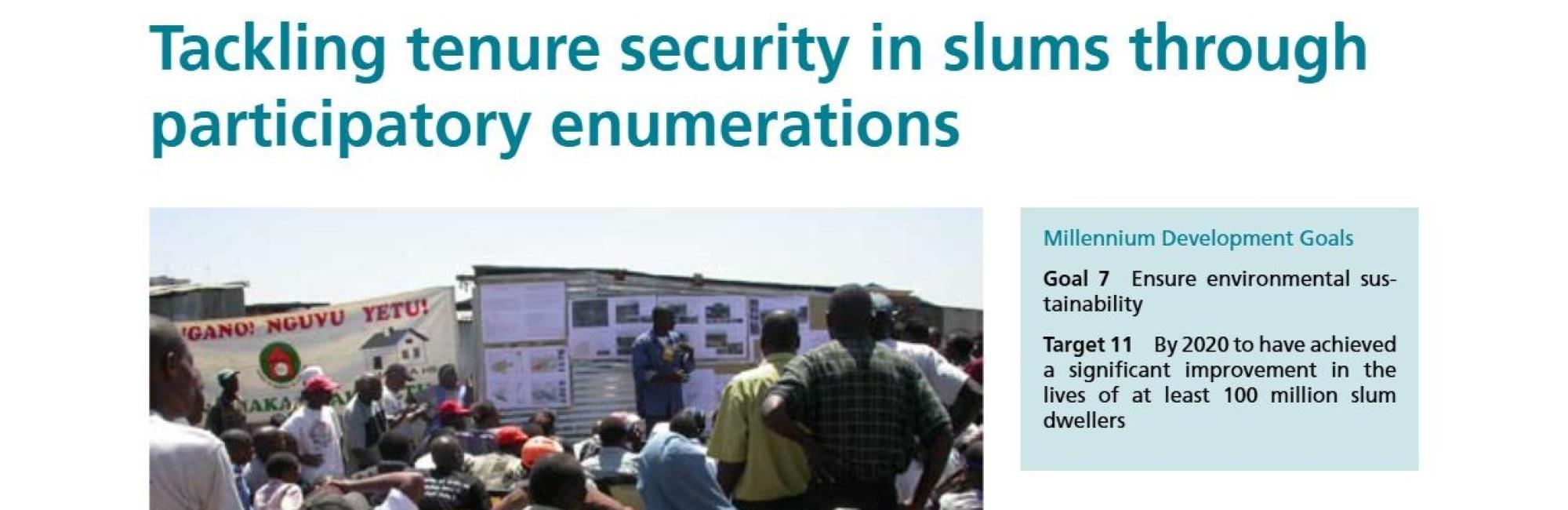
Millions of people live in slums and informal settlements, often in insanitary and unsafe conditions. One option open to governments is to regularize and upgrade such settlements by improving residents’ security of tenure.
Participatory enumerations are a way of gathering information about informal settlements by involving residents in the datagathering process. They are an efficient way of generating accurate, up-to-date information about informal settlements that governments need to plan upgrading and resettlement initiatives.
Because such enumerations are participatory, they can improve trust between local residents and the authorities, stimulate the involvement of local people in finding effective solutions to urban problems, and achieve buy-in for proposed solutions
Women’s Land Rights (WLRs) are fundamental human rights, foundational to gender equality and women’s dignity and instrumental in improving food security, effective climate action, poverty eradicati
This publication presents a summary of UN-Habitat’s gender equality impact over the past five years, in line with the Beijing reporting cycle.
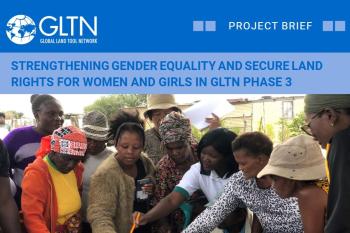
GLTN’s institutional commitment to gender equality and secure land rights for women and girls has been at the core of its work since inception in 2006.