Read More
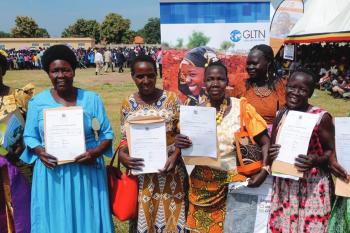
Gender Strategy for Land-at-Scale Uganda
Women’s Land Rights (WLRs) are fundamental human rights, foundational to gender equality and women’s dignity and instrumental in improving food security, effective climate action, poverty eradicati
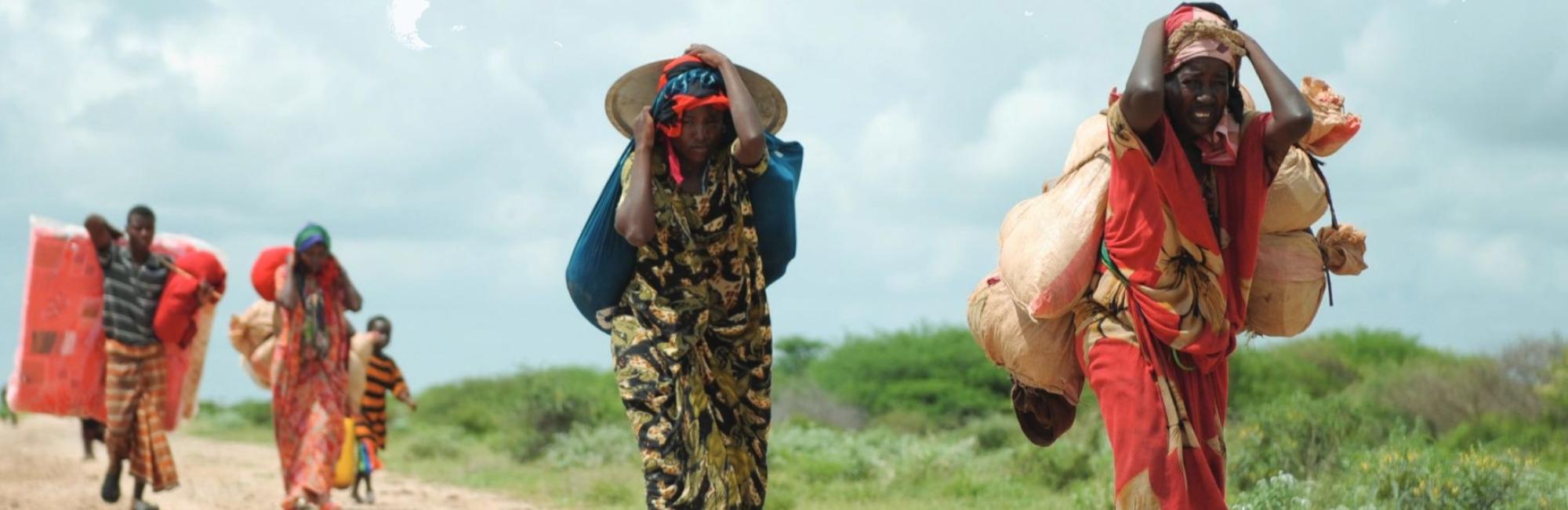
This publication presents a functional analysis of how the United Nations System deals with land and conflict across the UN pillars of peace, security, development and human rights. It reviews areas of engagement of eighteen UN Agencies across the full conflict cycle - from preparedness and prevention to humanitarian response, conflict mediation, peacemaking, peace consolidation and peace-building, recovery and development.
A coherent, comprehensive approach to land sector is proposed based on the findings of the study. This approach focuses on five work streams: land reform, land administration, land policy processes, capacity development and dispute resolution.
The study also presents a change model to make the UN more fit for purpose in its response to conflict. It is based on an incremental approach that builds on advocacy, capacity development and the use of existing entry points and mechanisms for improved coherence, coordination and integration within the UN System.
This publication is available in English (2016 and Arabic (2018).
Women’s Land Rights (WLRs) are fundamental human rights, foundational to gender equality and women’s dignity and instrumental in improving food security, effective climate action, poverty eradicati
This publication presents a summary of UN-Habitat’s gender equality impact over the past five years, in line with the Beijing reporting cycle.
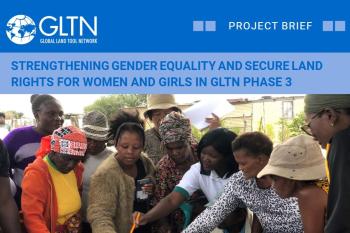
GLTN’s institutional commitment to gender equality and secure land rights for women and girls has been at the core of its work since inception in 2006.